My Bookshelf
Reading is important to me and my practice as a therapist; books have a way of giving language to things we’ve felt but haven’t always known how to name. This page is a collection of books that I’m currently reading, what’s on my list to be read, and books I often find meaningful around topics that may come up in therapy (e.g., anxiety, relationships, sex, trauma, parts work, identity, etc.) These aren’t homework assignments nor are they a replacement for therapy—just resources, reflections, and starting points for deeper curiosity.
A gentle note: Books can be powerful, but they can also stir things up. Take what feels helpful, leave what doesn’t, and move at a pace that feels kind to you and your nervous system. If something brings up big feelings, that may be something worth bringing into therapy—or simply a sign to pause, breathe, and come back later.
“You think your pain and your heartbreak are unprecedented in the history of the world, but then you read.”
“We don’t just passively absorb the things we read. Books change us because we engage with them, we wrestle and argue with them.”
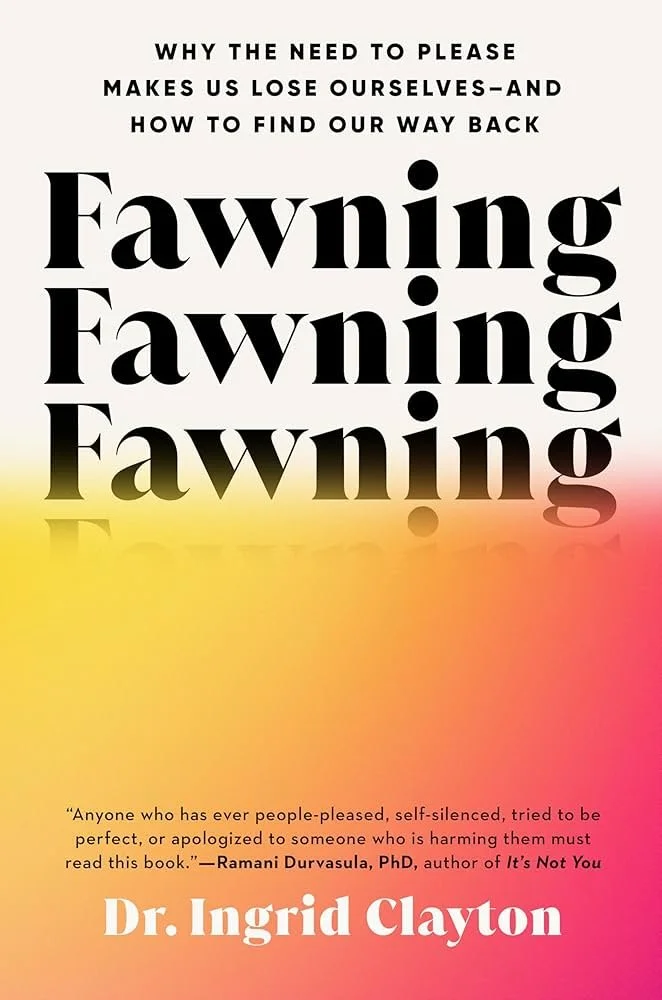
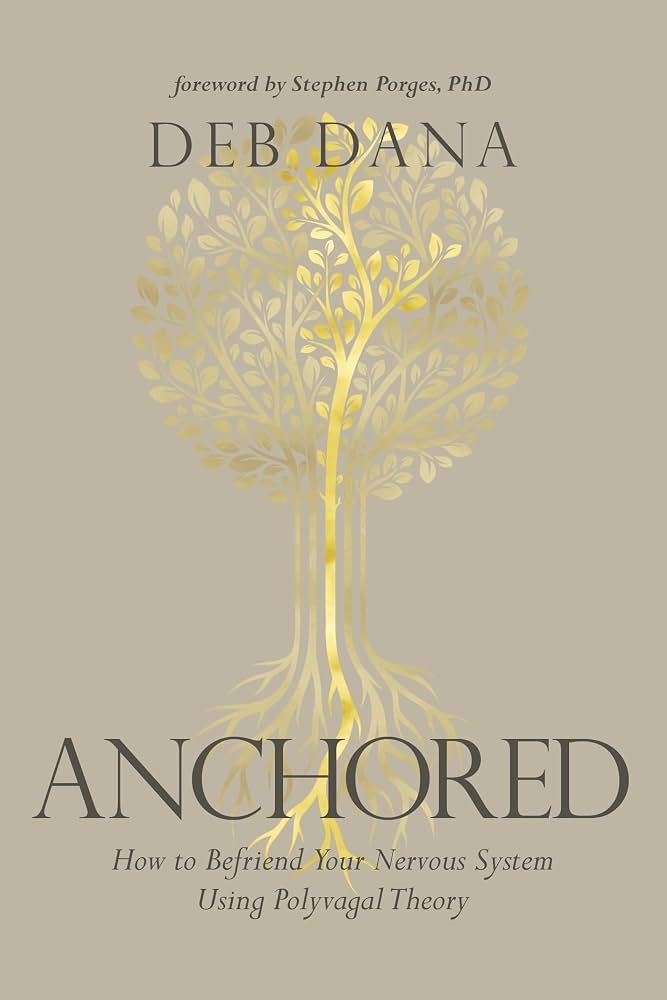
What I’m currently reading:
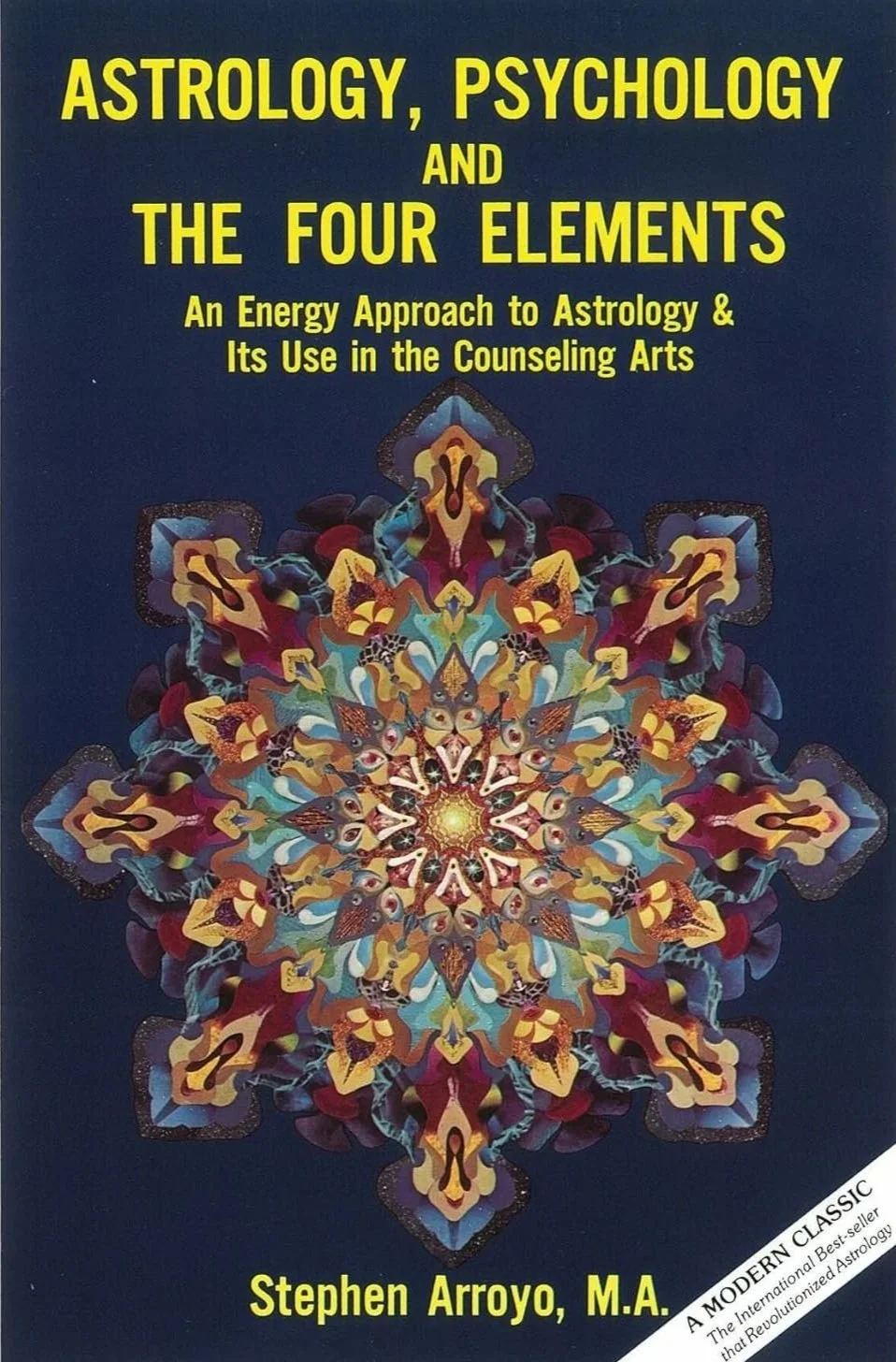

Next on my list:
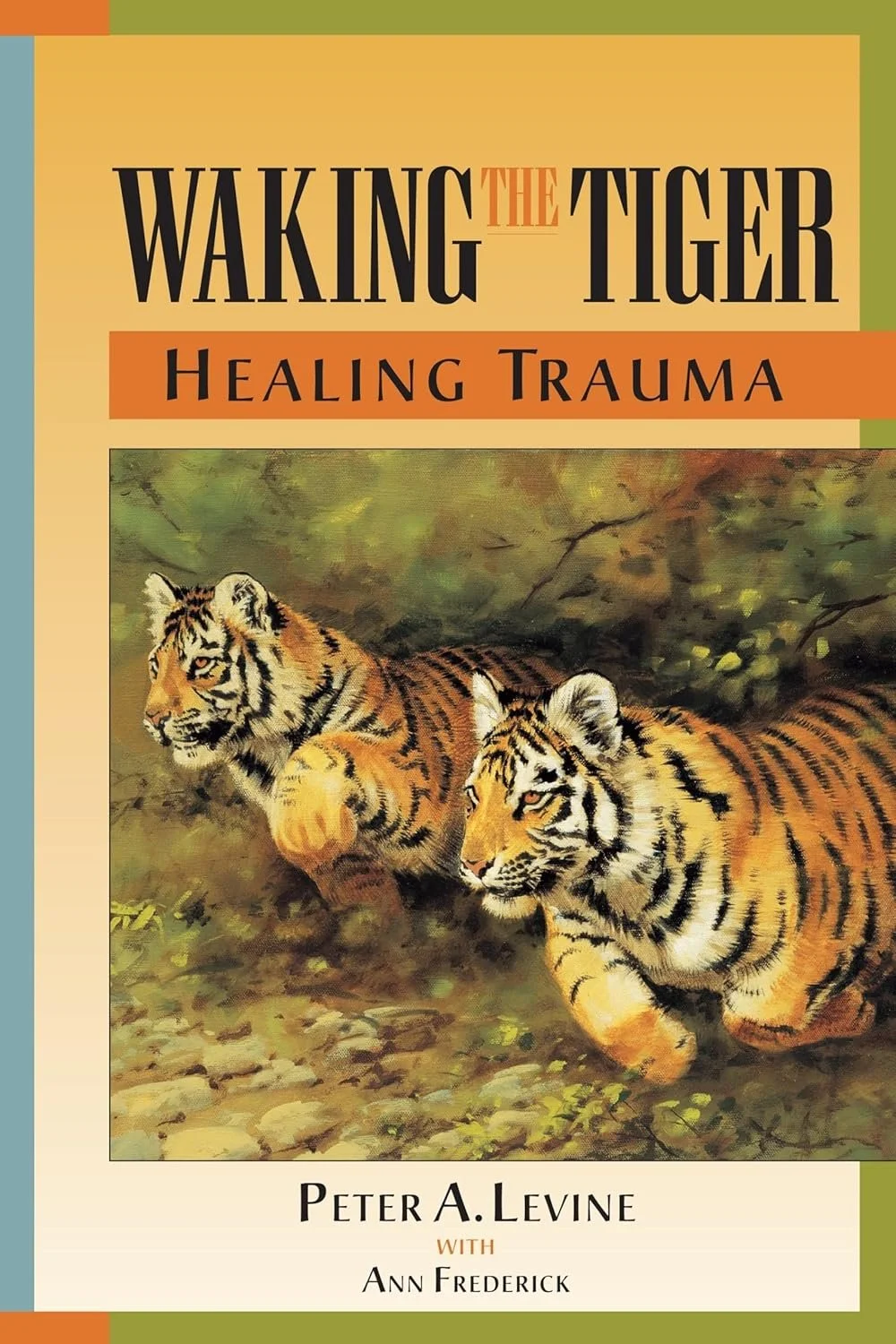
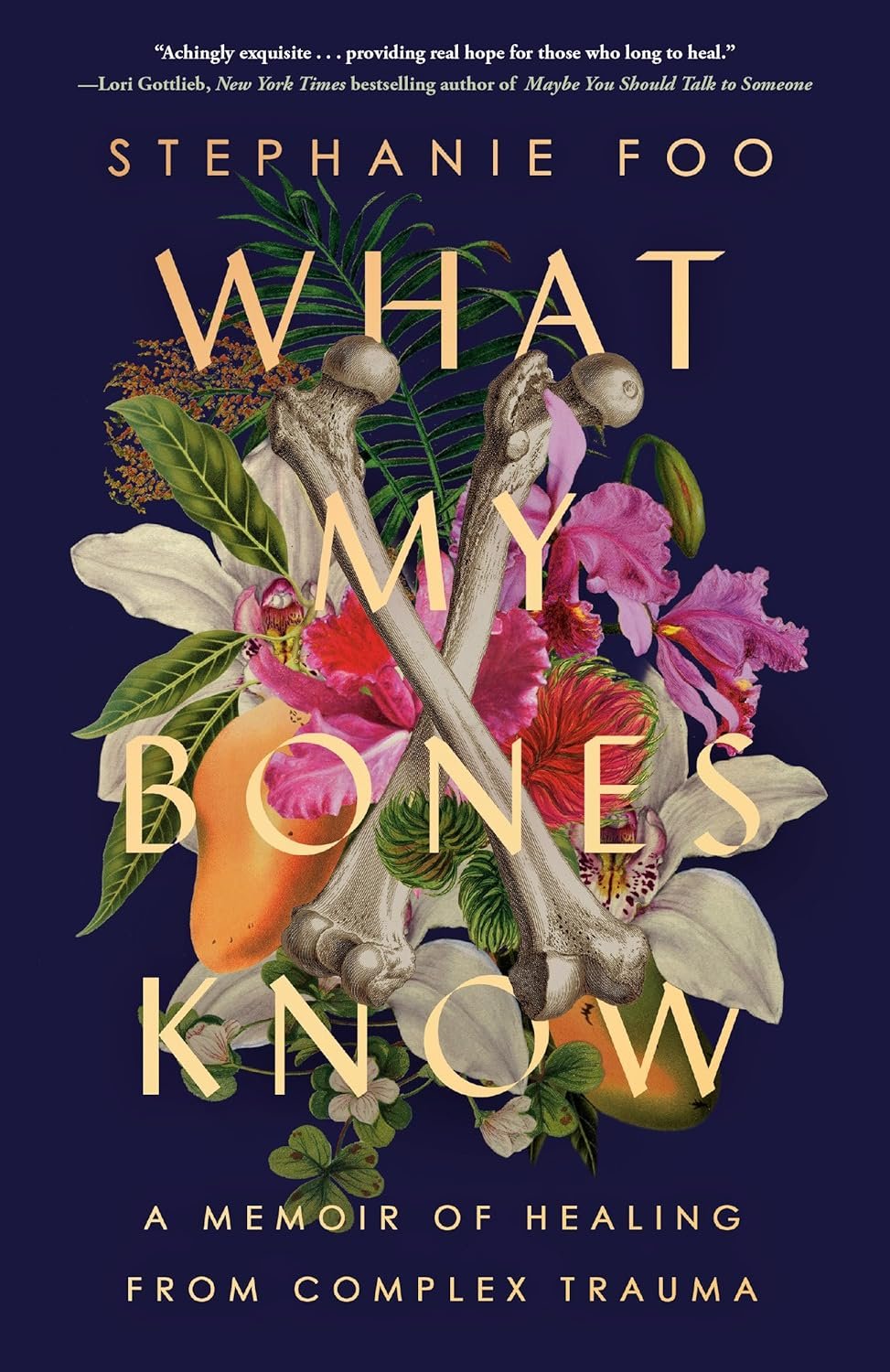
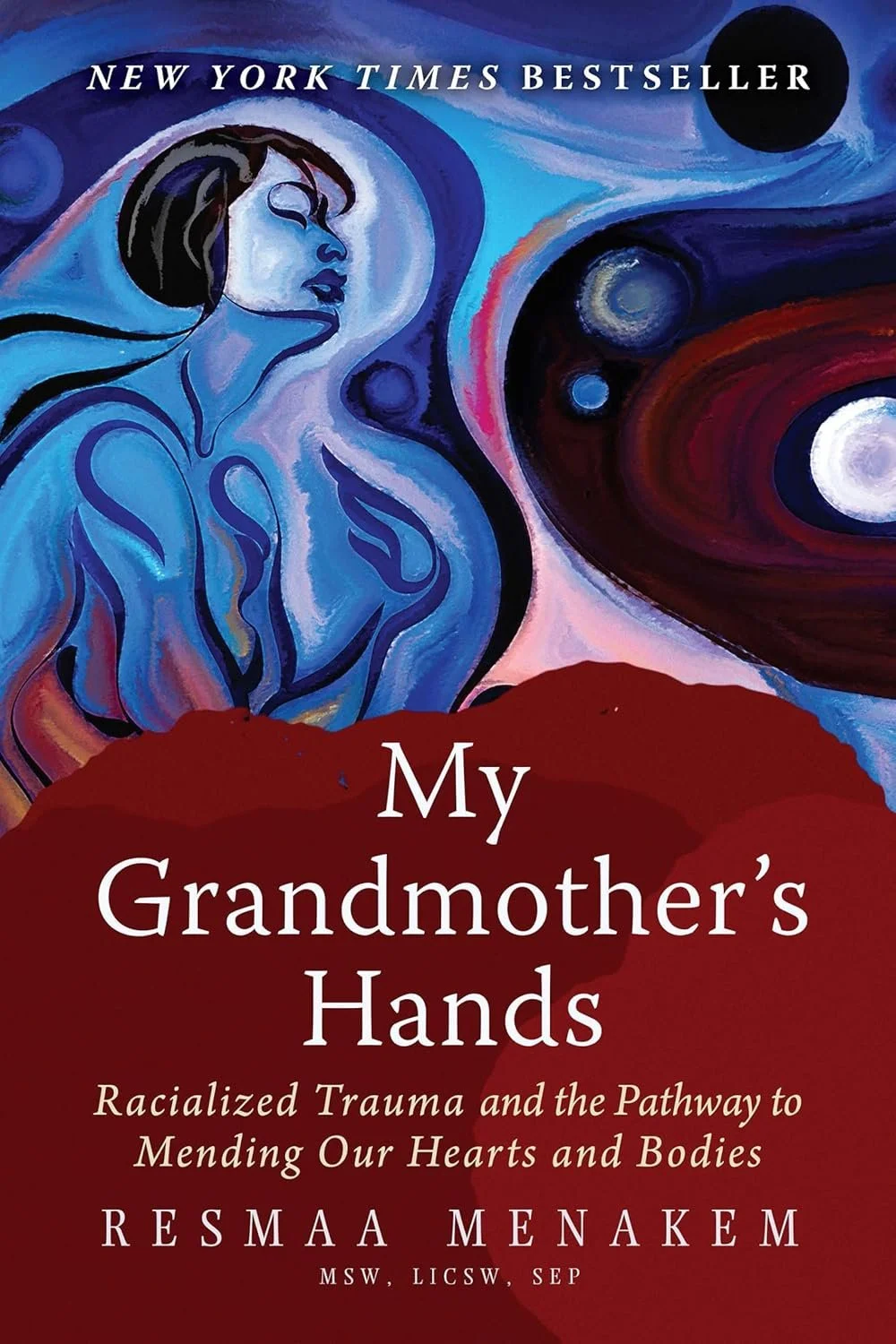
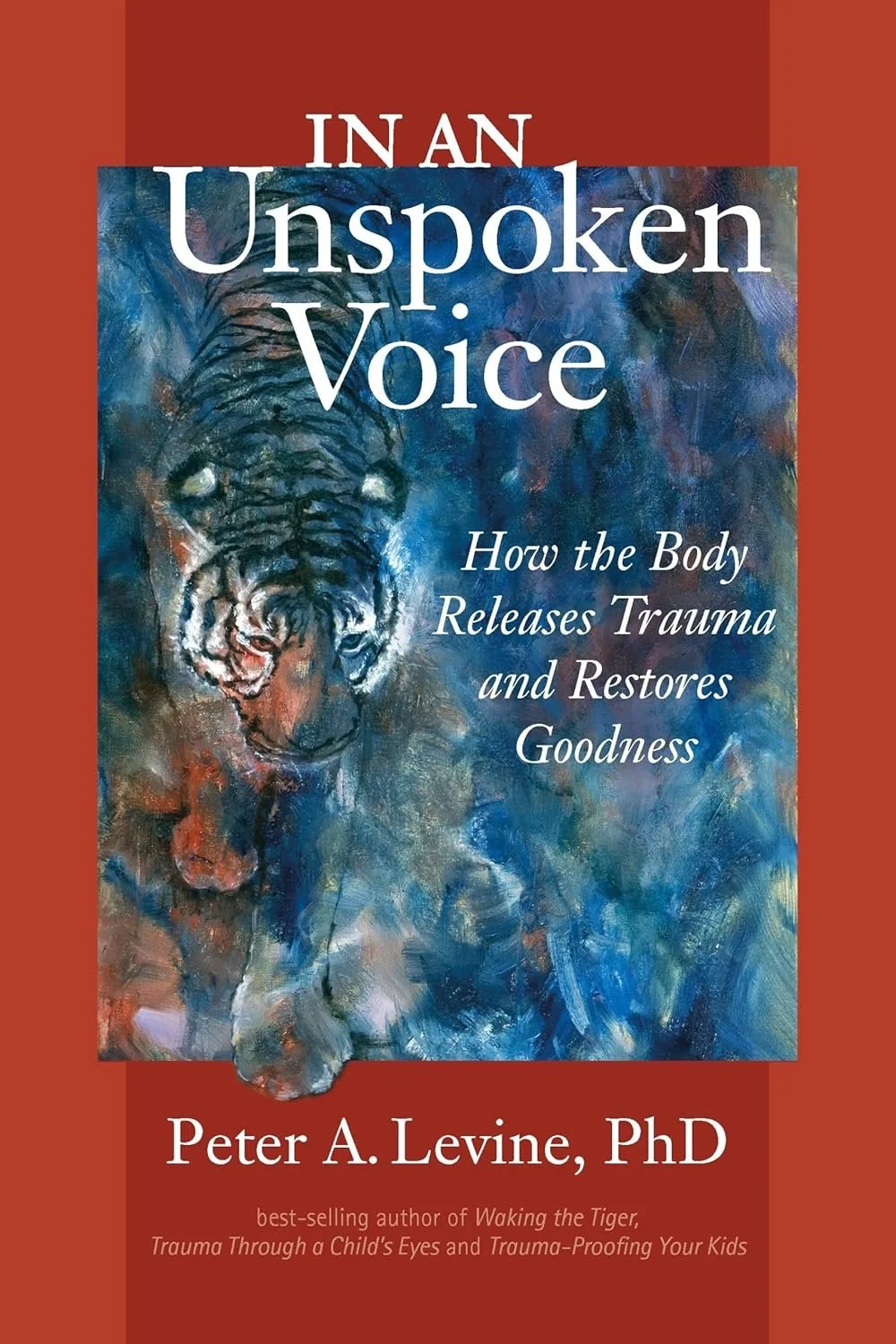
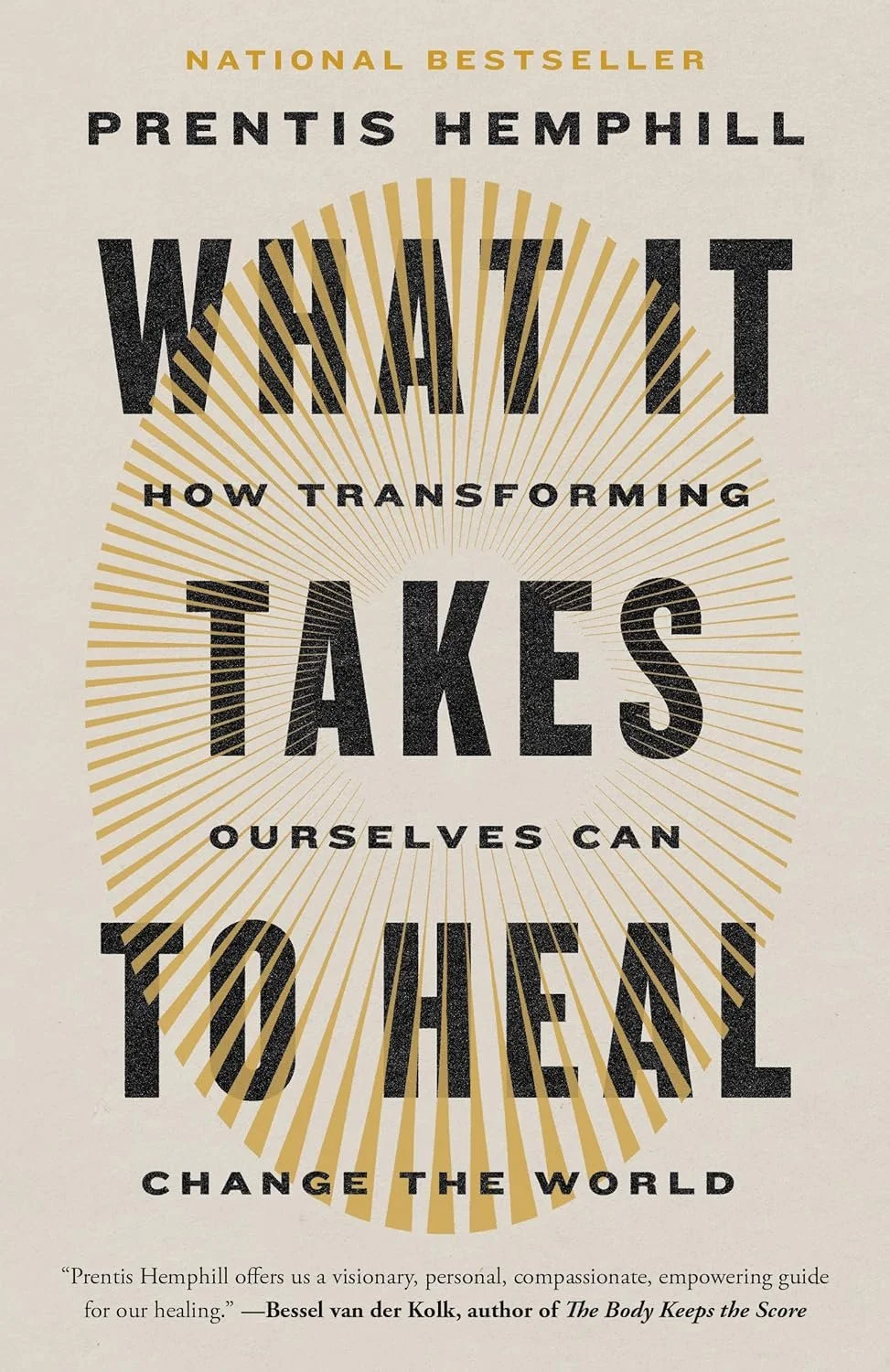
Trauma, Survival, and the Nervous System:
For understanding trauma, survival responses, complex PTSD, and how healing often involves the body, relationships, memory, and safety.
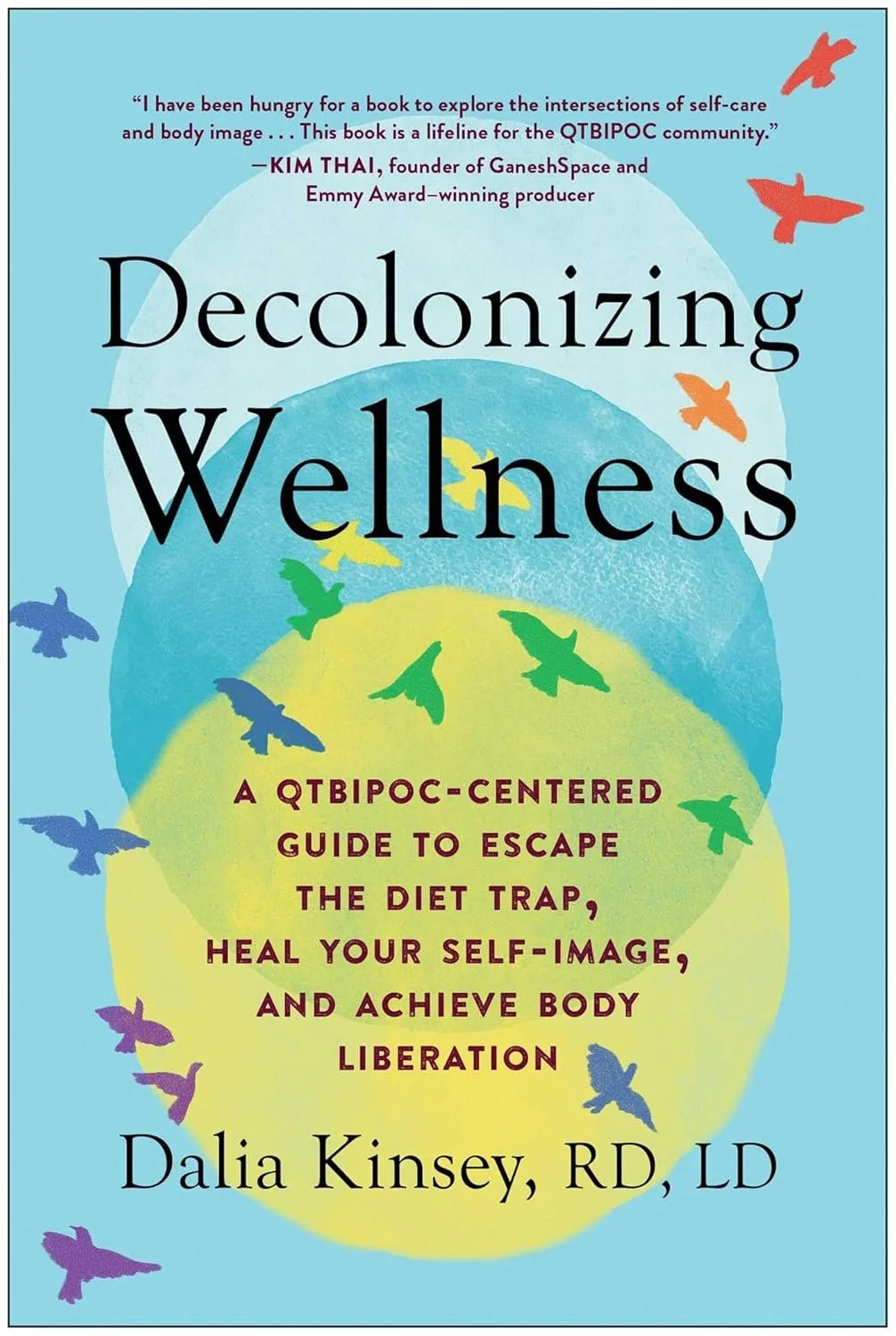
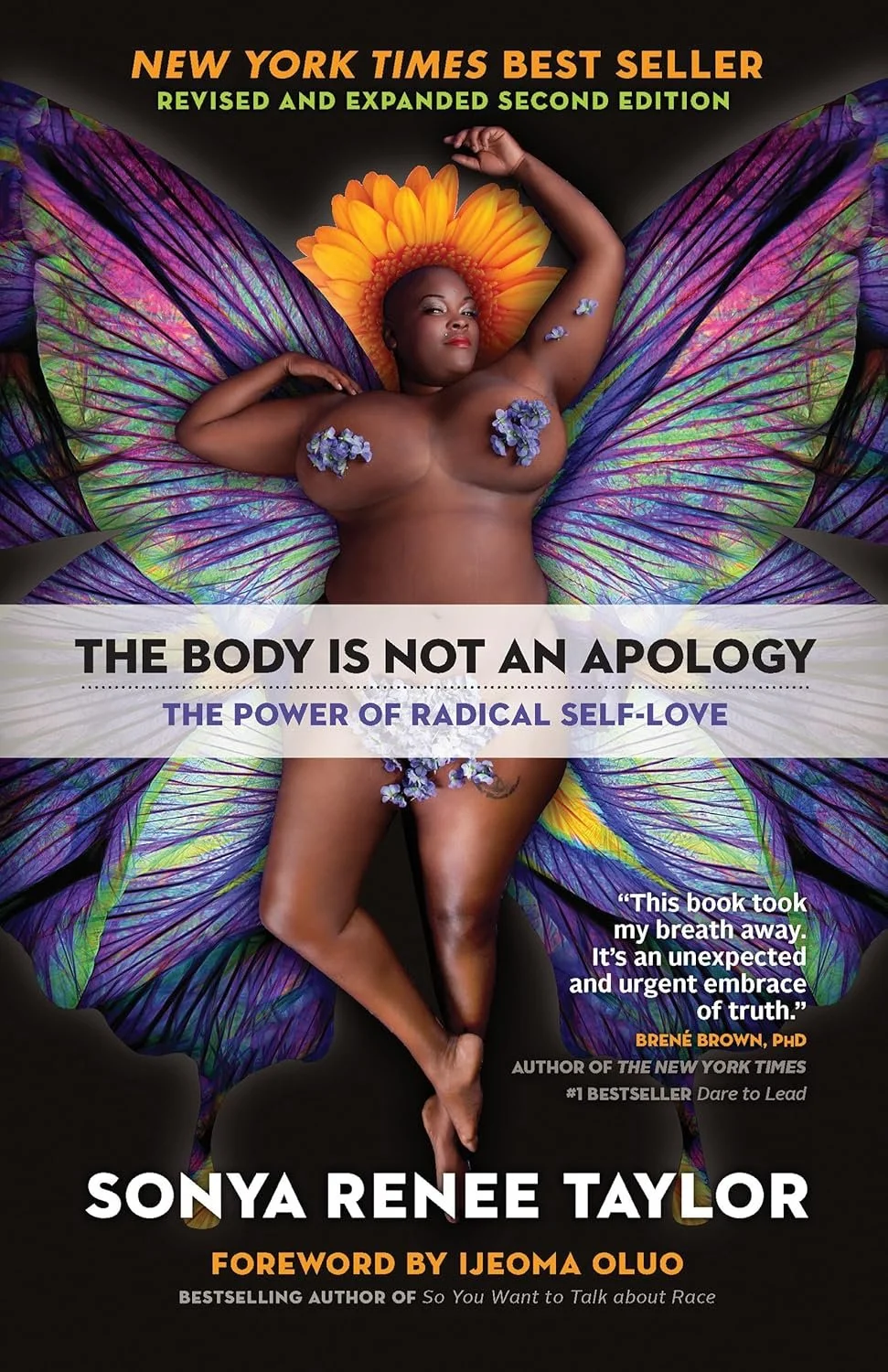
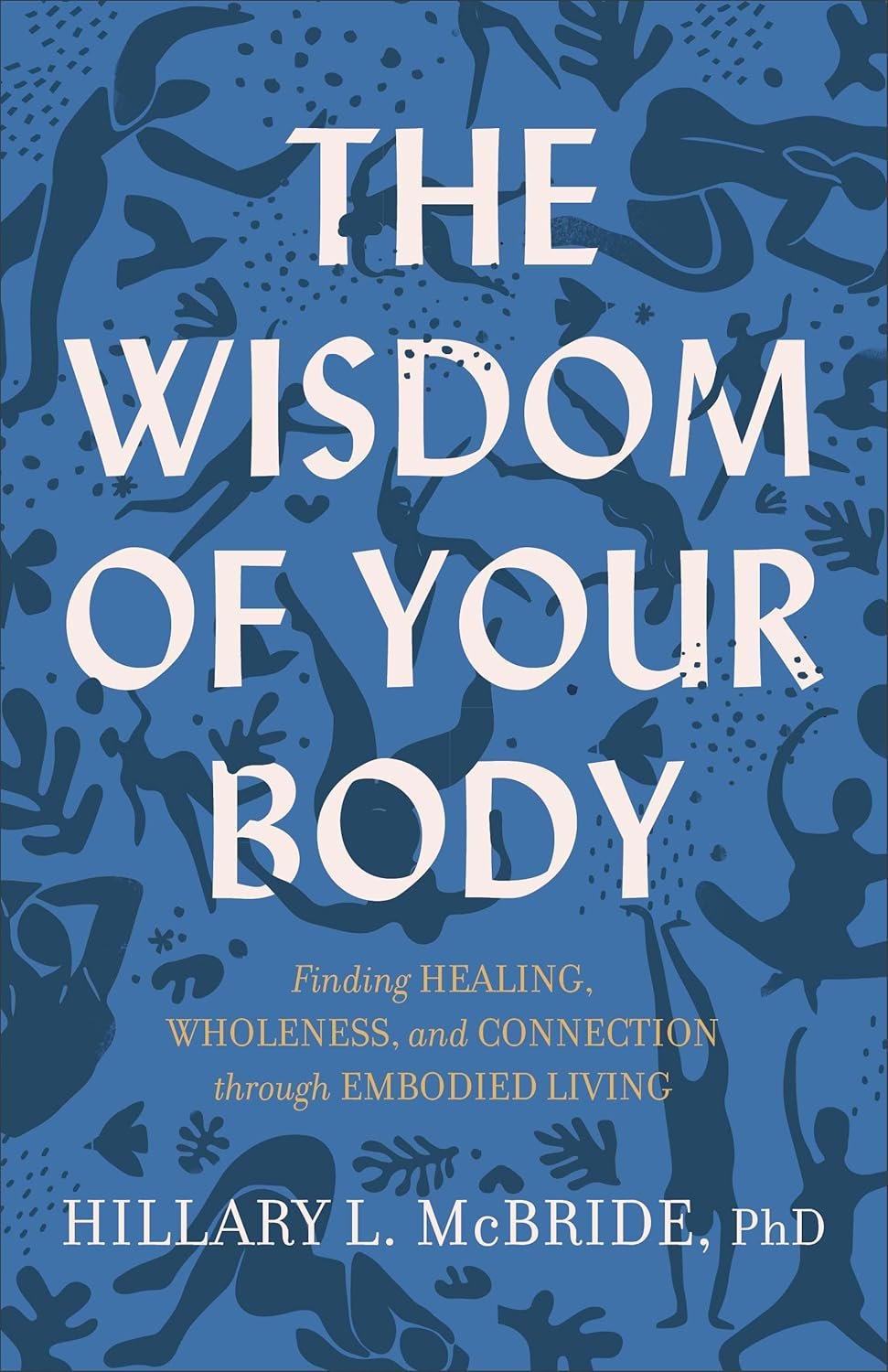
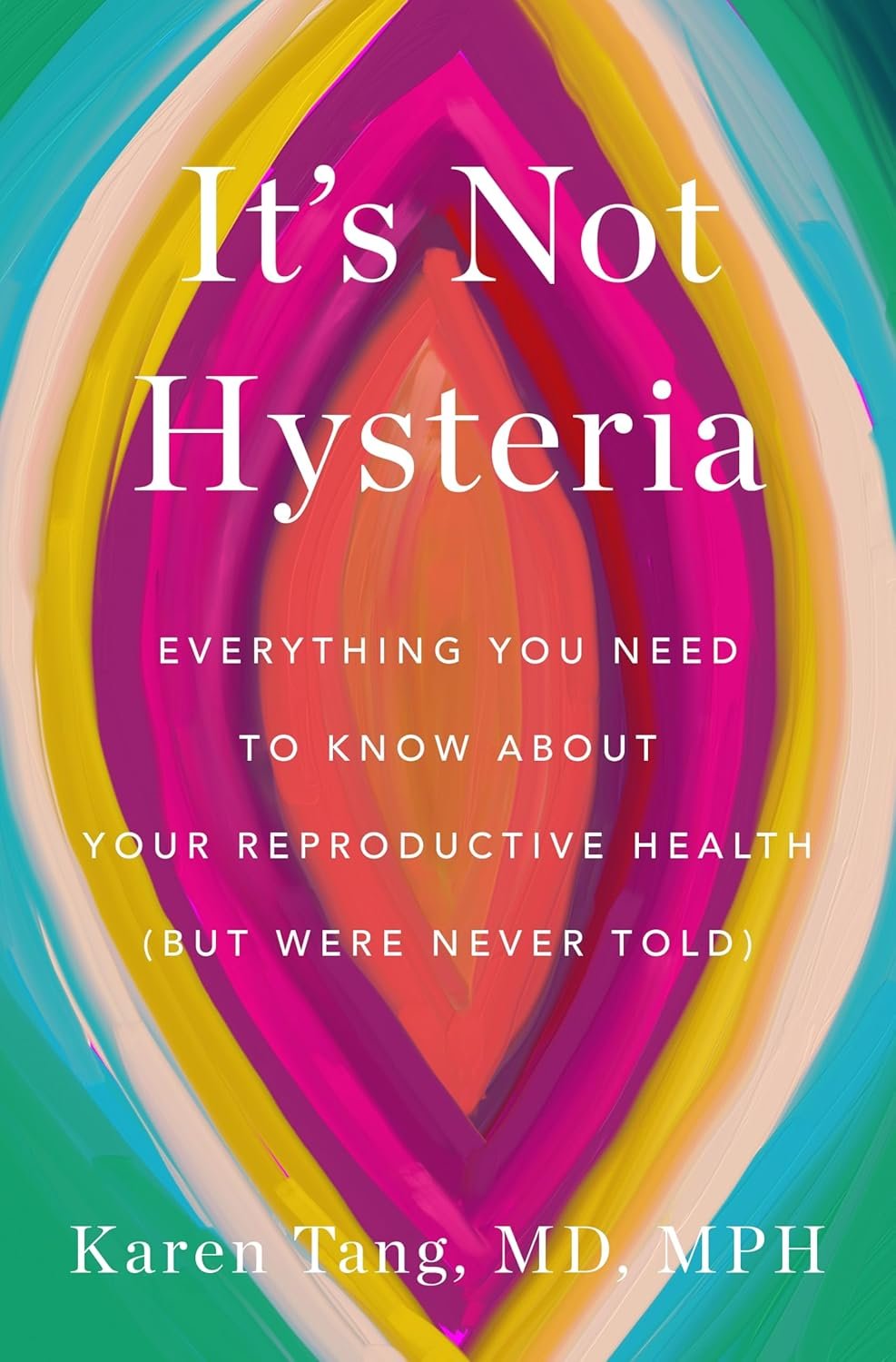
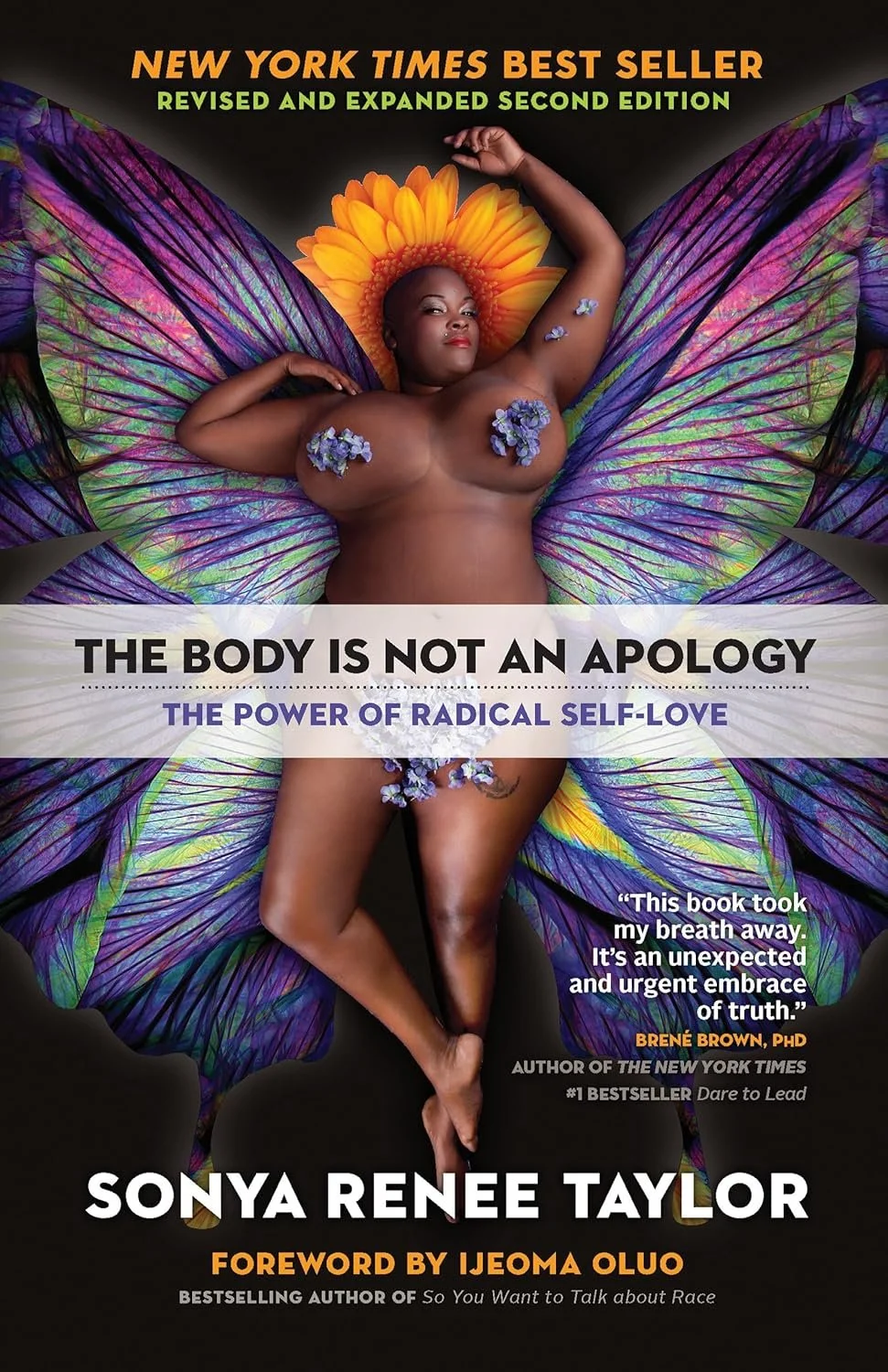
Embodiment, Body trust, and Health
Books about living in a body, reconnecting with physical cues, navigating shame, and understanding how social systems shape our relationship with embodiment.
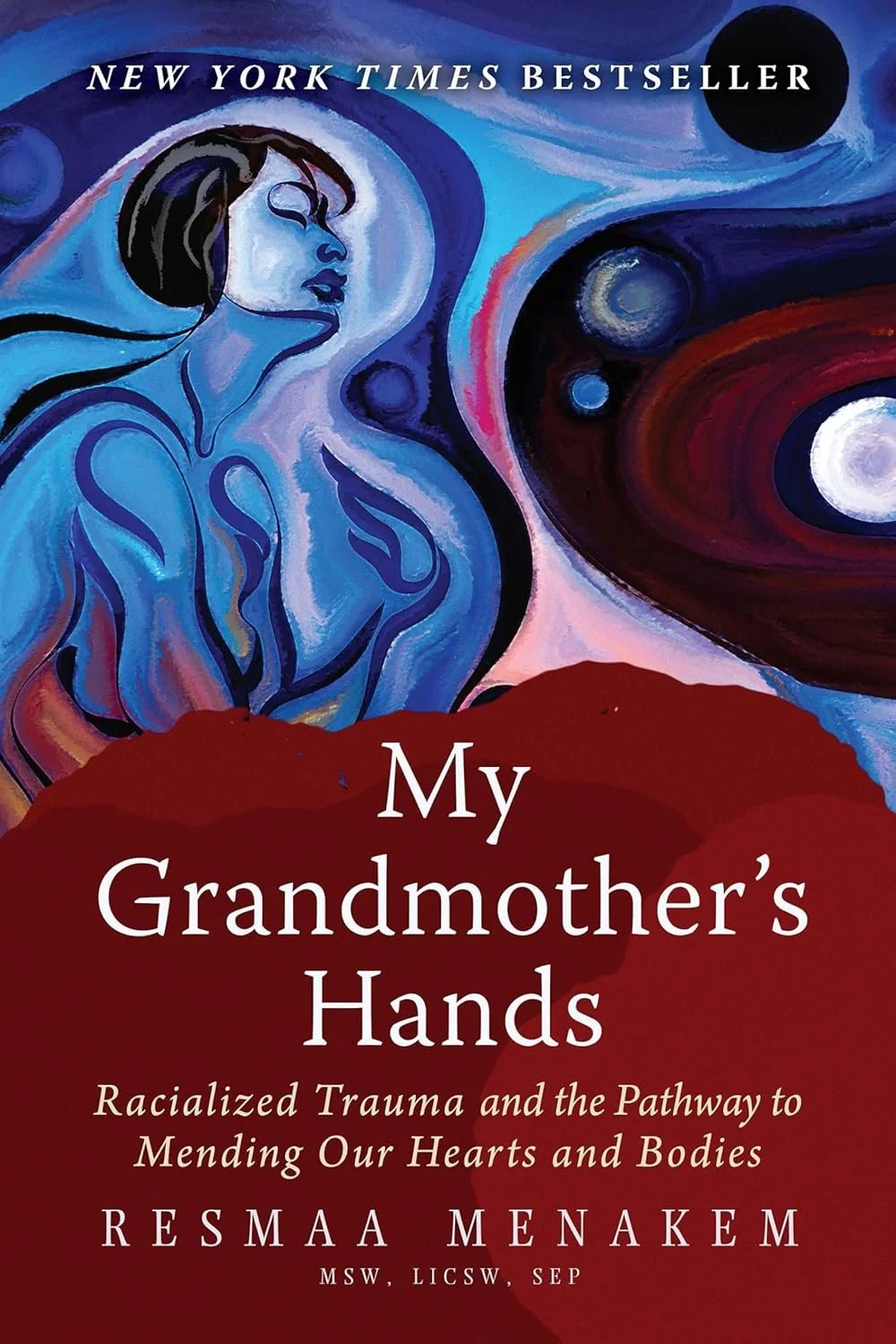
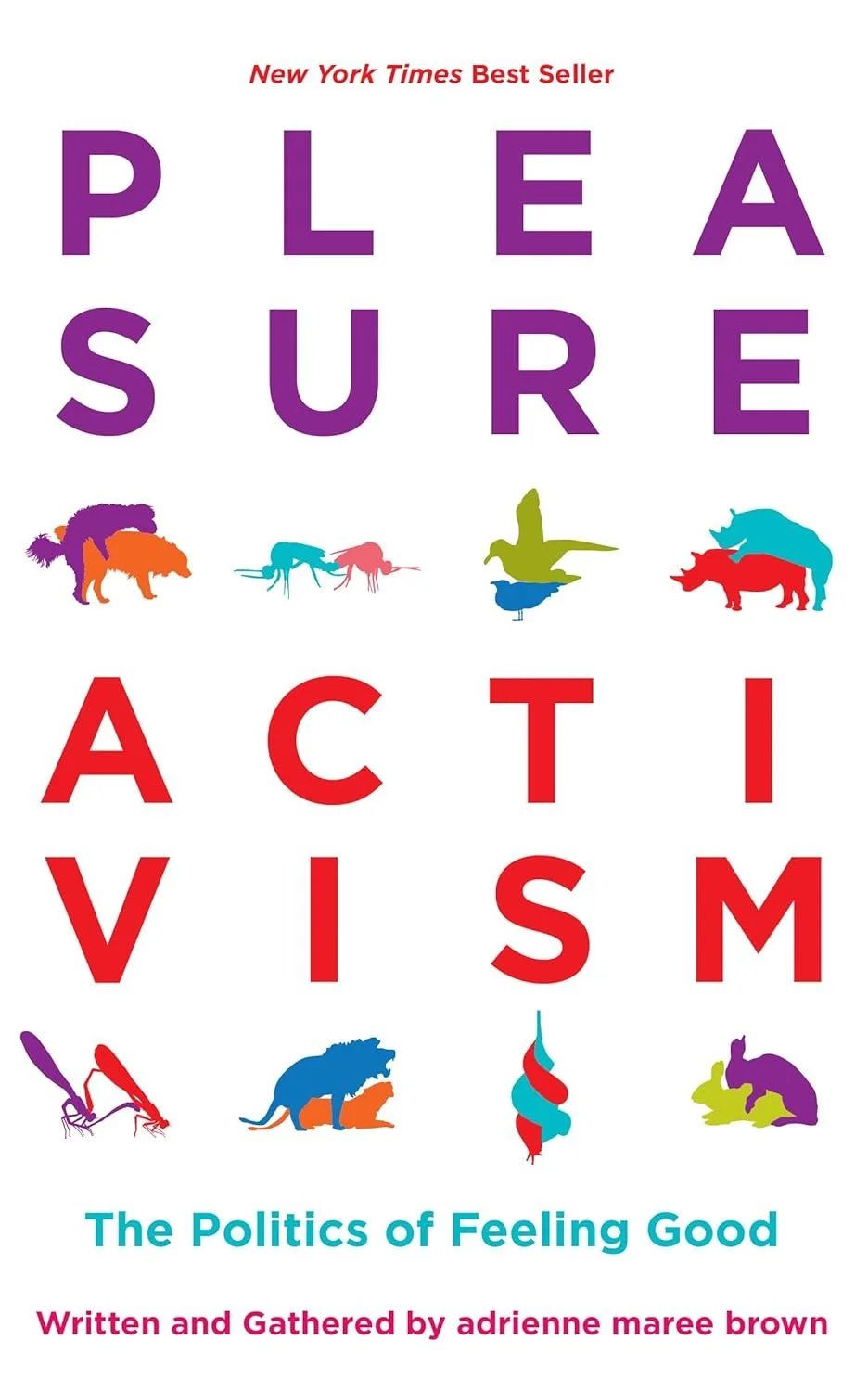
Sex, desire, and relationships
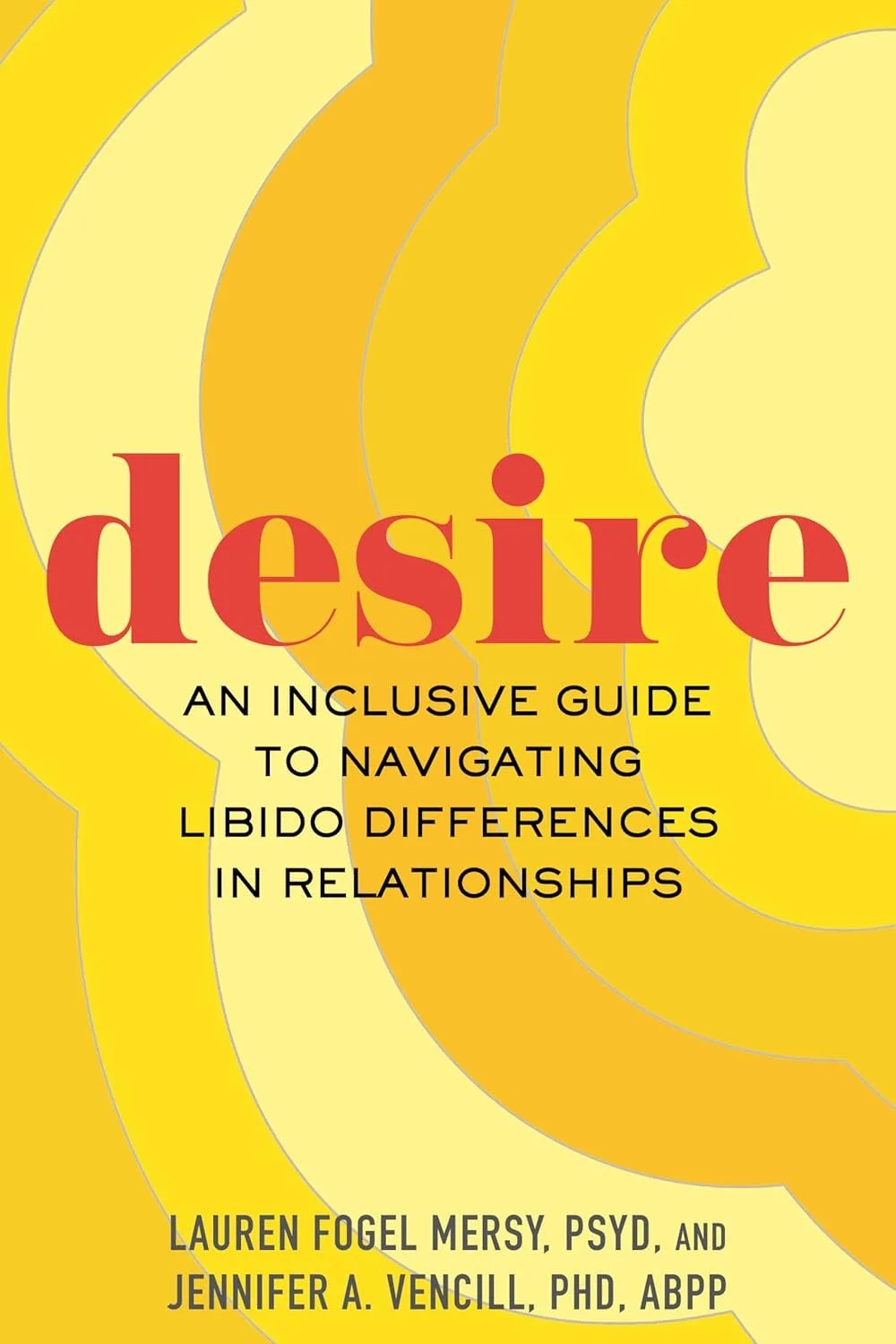
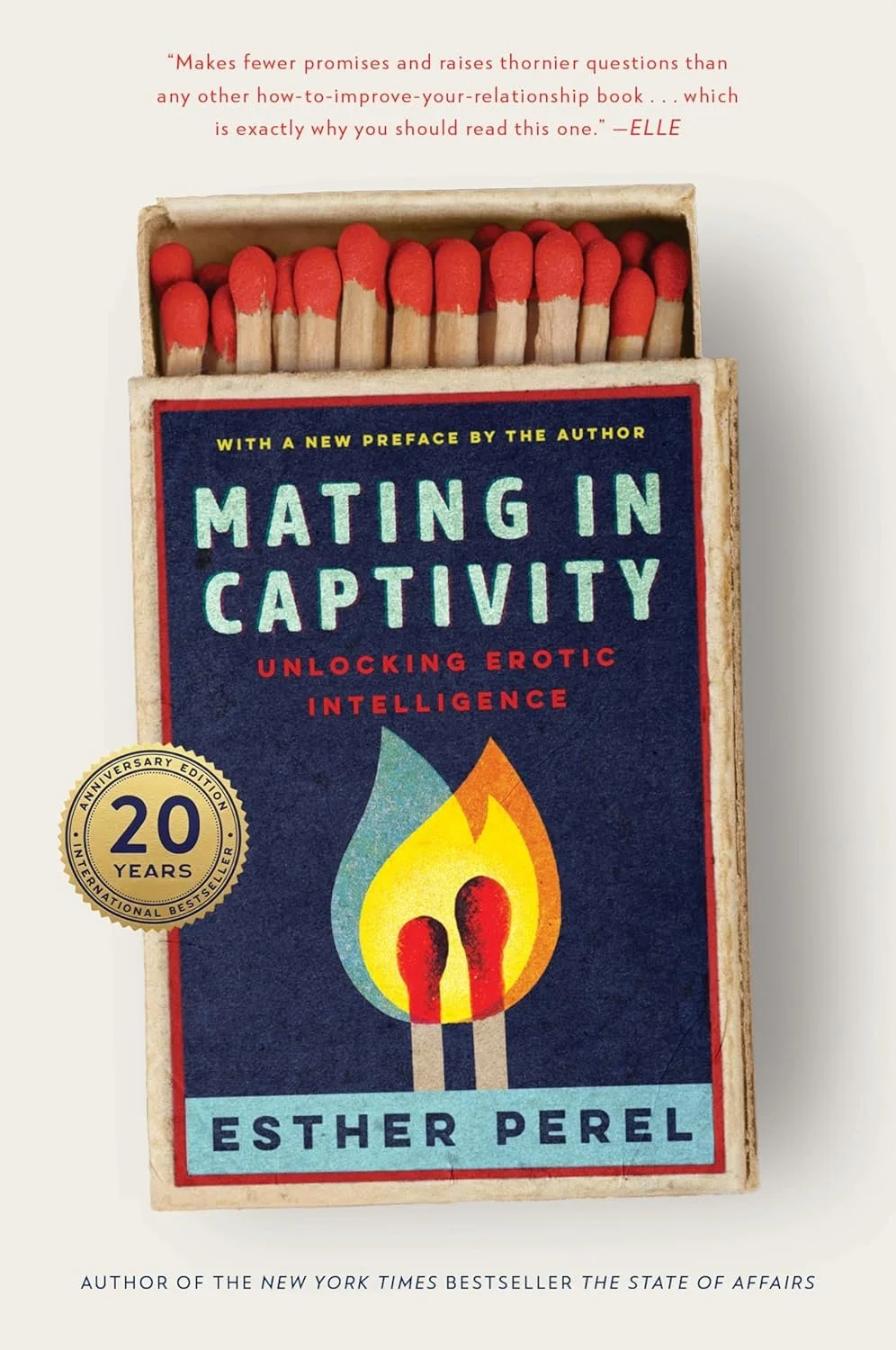
For books about sexuality, pleasure, intimacy, attachment, dating, communication, and non-traditional relationship structures.



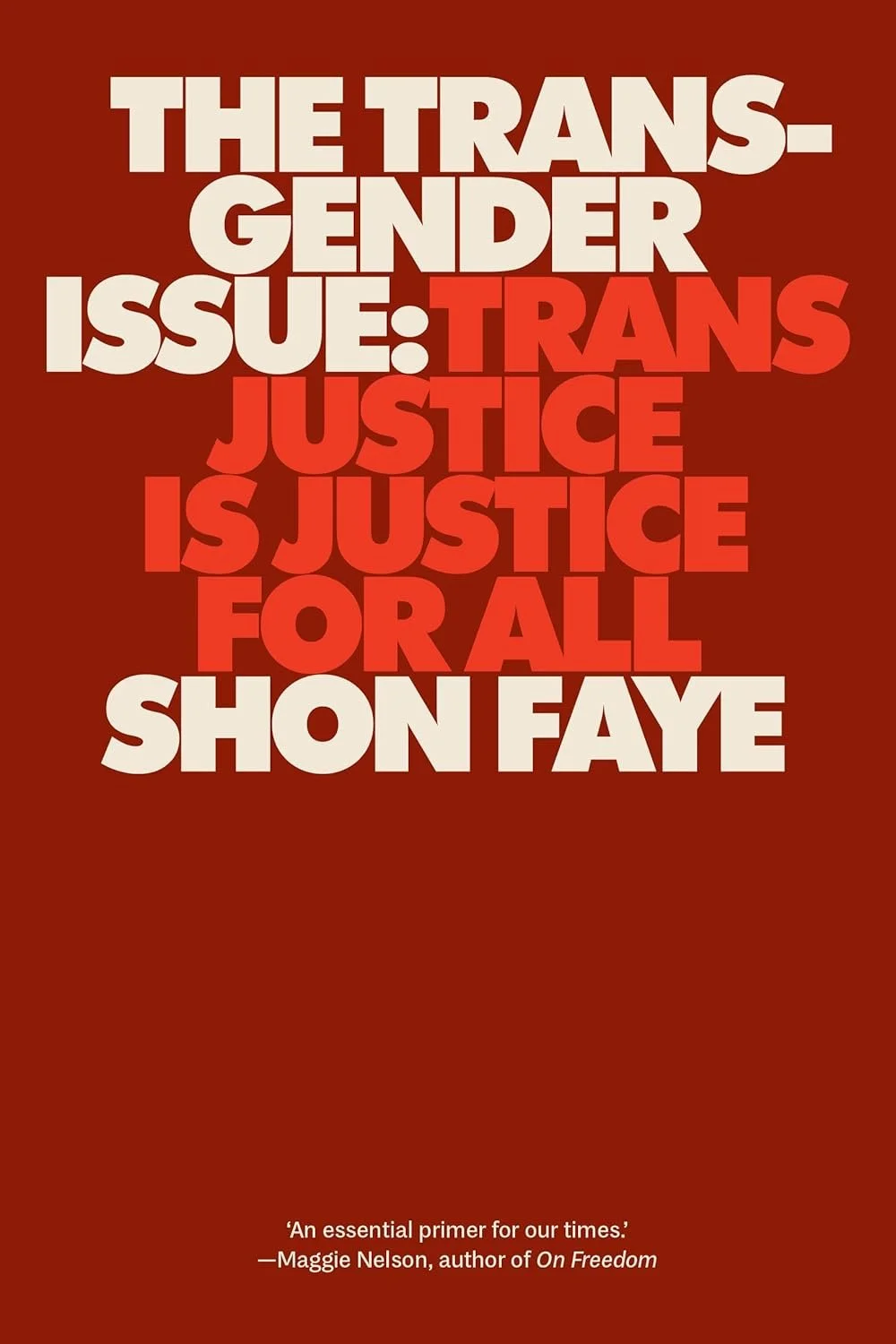
Identity, Liberation, and Culture
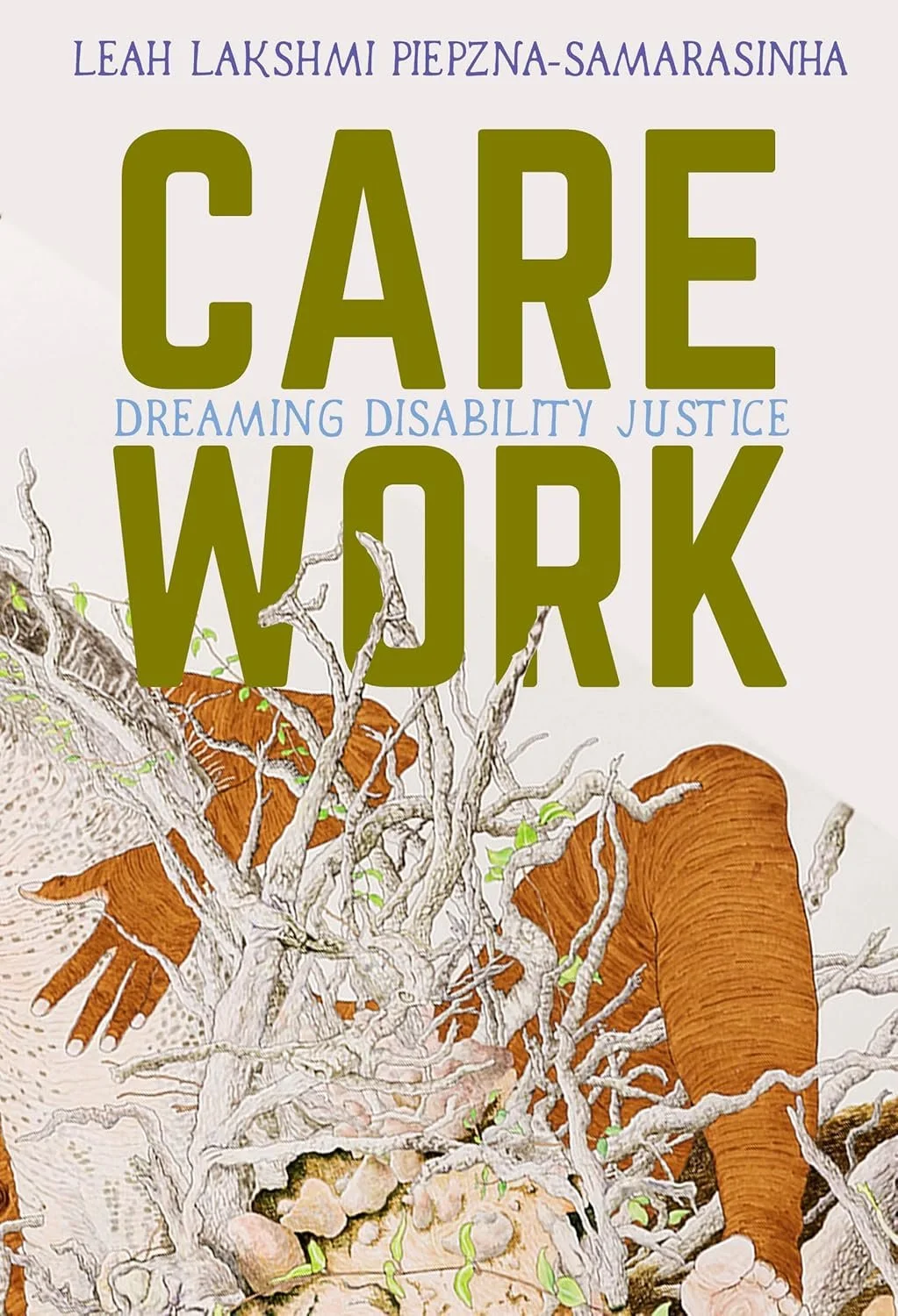
For books about gender, queerness, intersex liberation, racial justice, disability, culture, body autonomy, and the ways personal healing is shaped by social context.

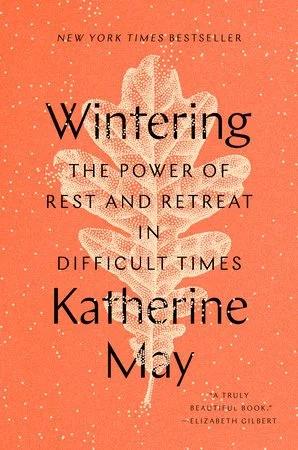
Grief, Meaning, and ritual
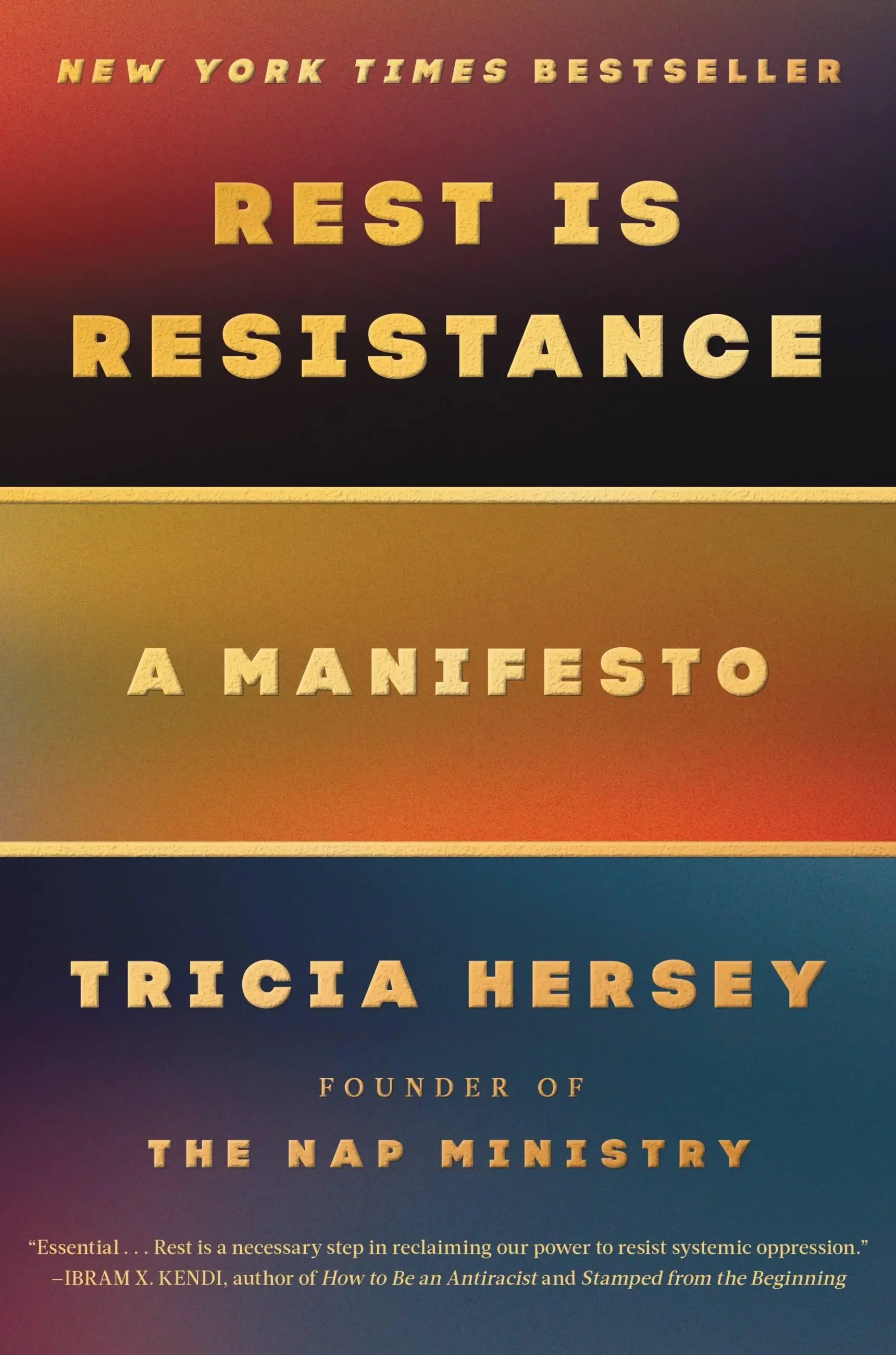
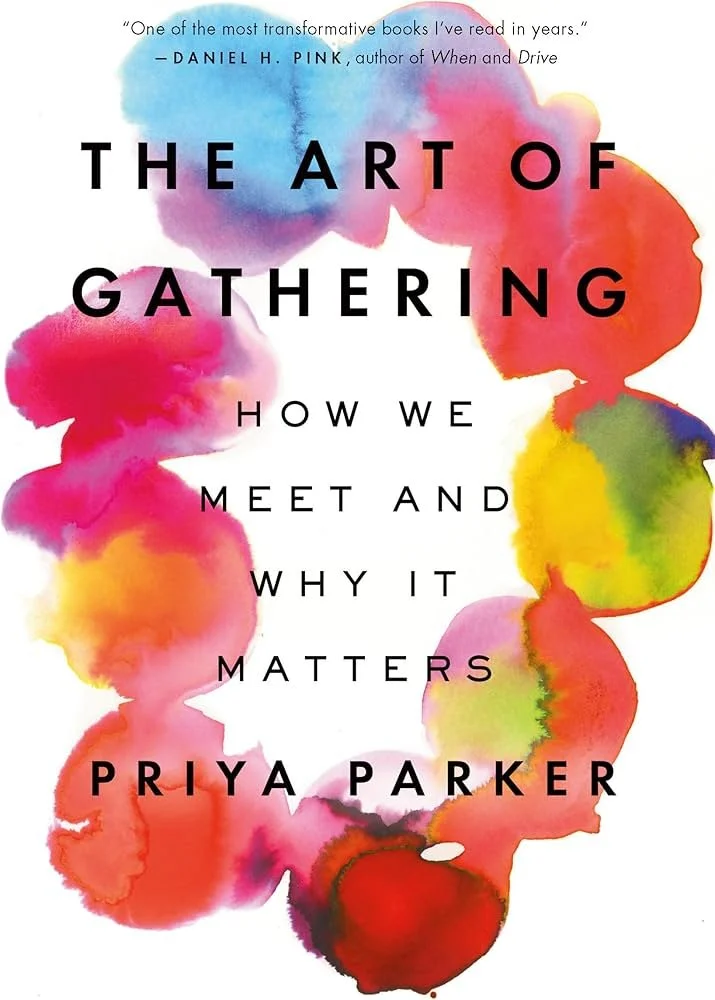
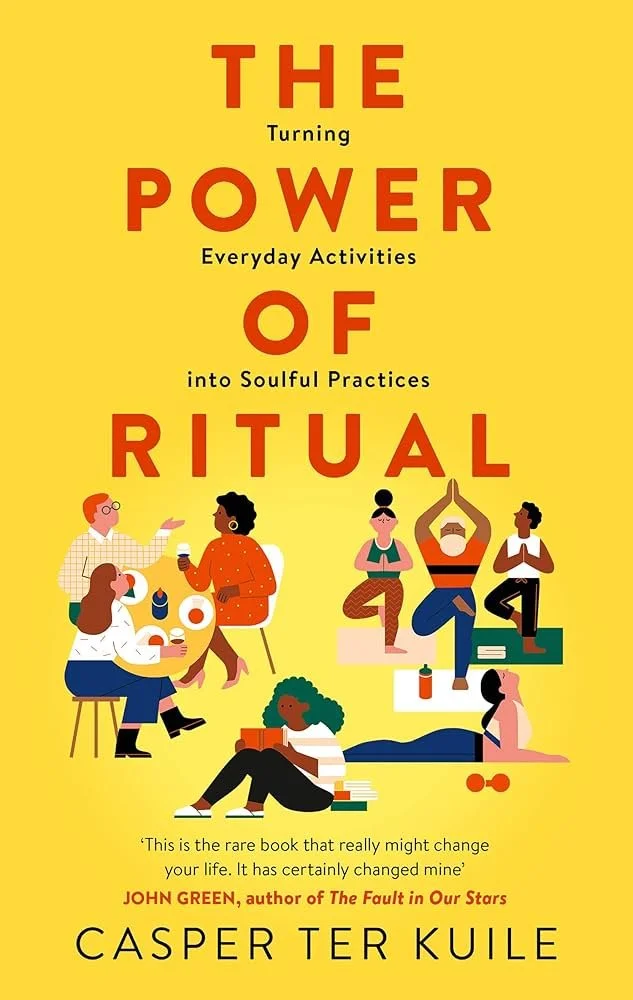
For books about rest, seasons of life, grief, spirituality, ritual, belonging, and making meaning when life feels hard to carry alone.

Parts Work, Patterns, and Self-Understanding
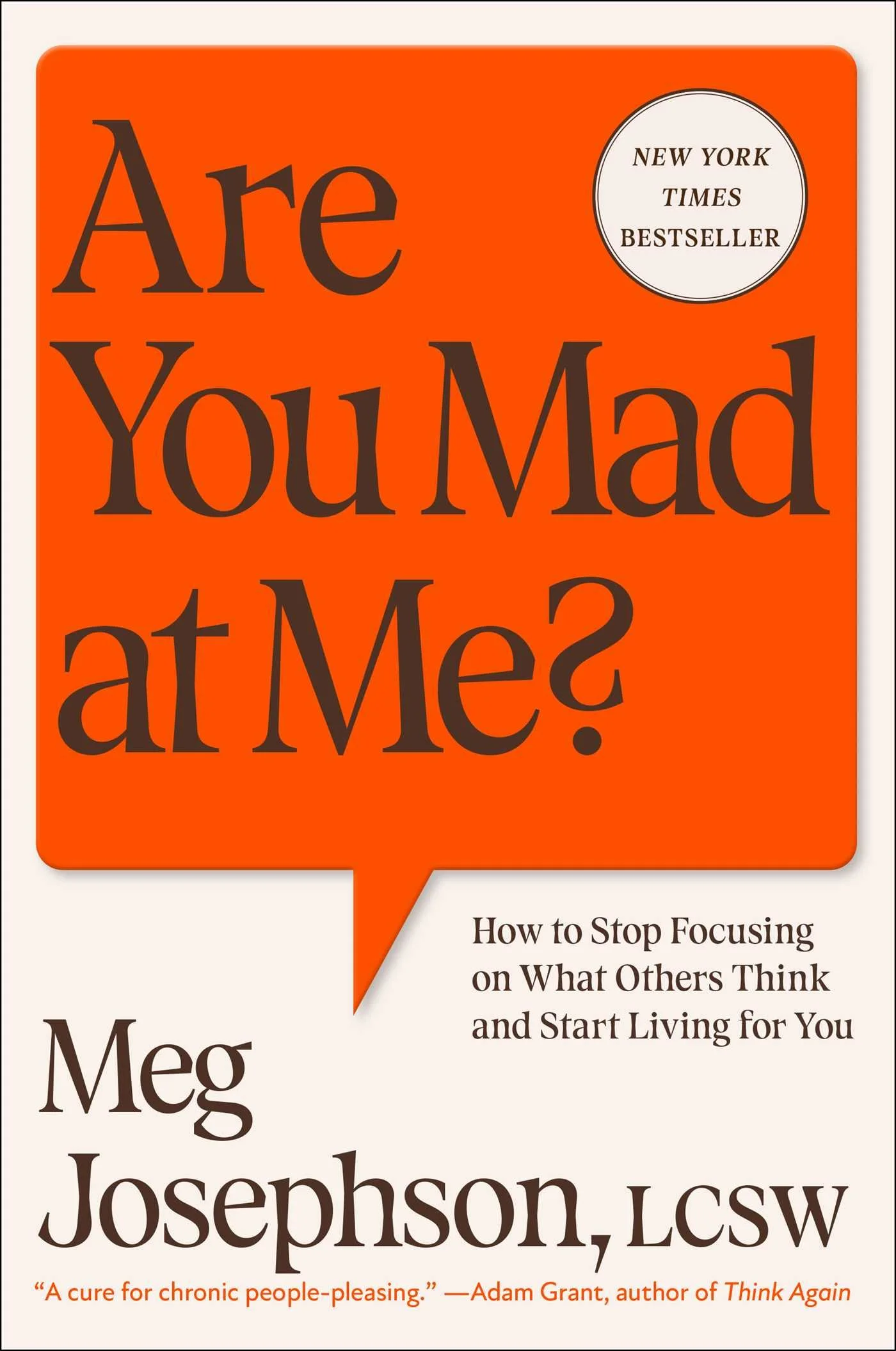
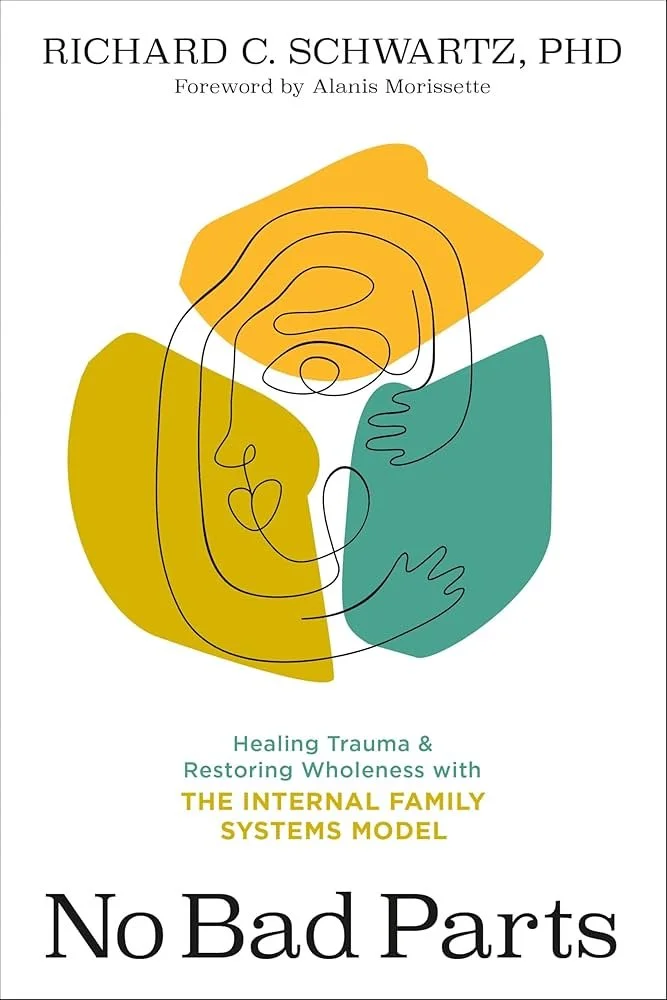
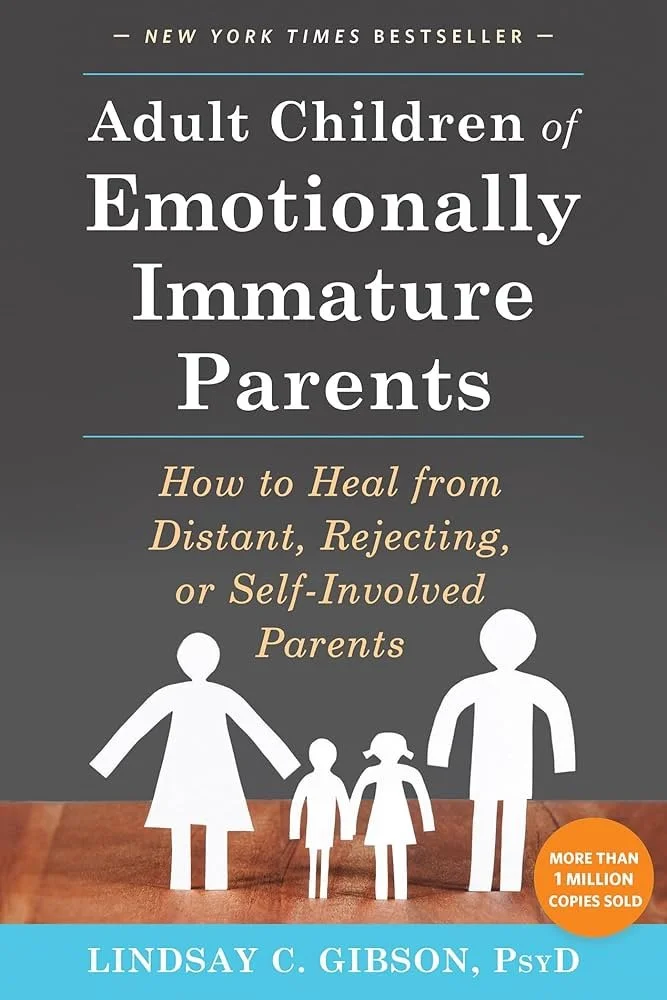
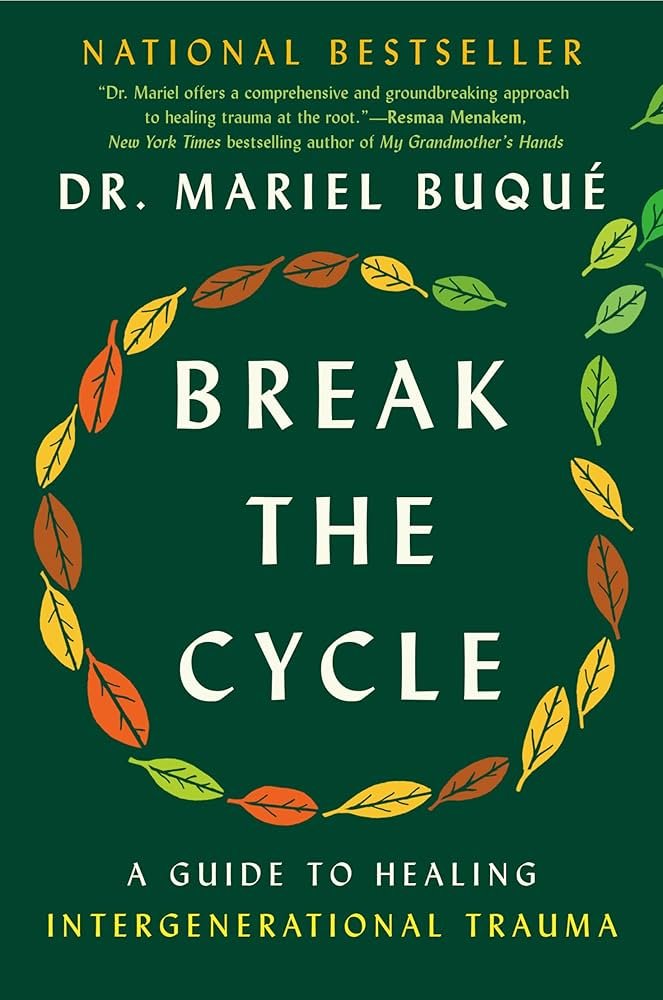
For understanding inner conflict, people-pleasing, self-protection, shame, intergenerational trauma, and why different parts of you seem to want different things.